
Dermal filler safety
Tap the question you came with
- How should I prepare for filler injections?
- Can hyaluronic acid filler be dissolved?
- What happens if filler enters a blood vessel?
- Is there downtime after filler injections?
- Are dermal fillers safe for the face?
- How long do lip fillers last?
- Can fillers cause delayed swelling?
- Who should avoid dermal fillers?
Every question in this group serves one decision: whether to go ahead with a filler injection, and on what terms. Find the question that matches your next step, then act on its answer before you book.
Questions in the order you meet them
Before the appointment, start with how to prepare for filler injections. Then check who should avoid dermal fillers and read whether dermal fillers are safe for the face.
If your worry is a mistake during treatment, two questions apply. One is what happens if filler enters a blood vessel. The other is whether hyaluronic acid filler can be dissolved.
After treatment, three questions cover the days that follow: downtime after filler injections, delayed swelling and how long lip fillers last.
What the published requirement says
The U.S. Food and Drug Administration states that the most concerning risk associated with the use of dermal fillers is unintentional injection into a blood vessel, leading to blocked blood vessels and poor blood supply to tissues. That is why the blood vessel question sits in this group.
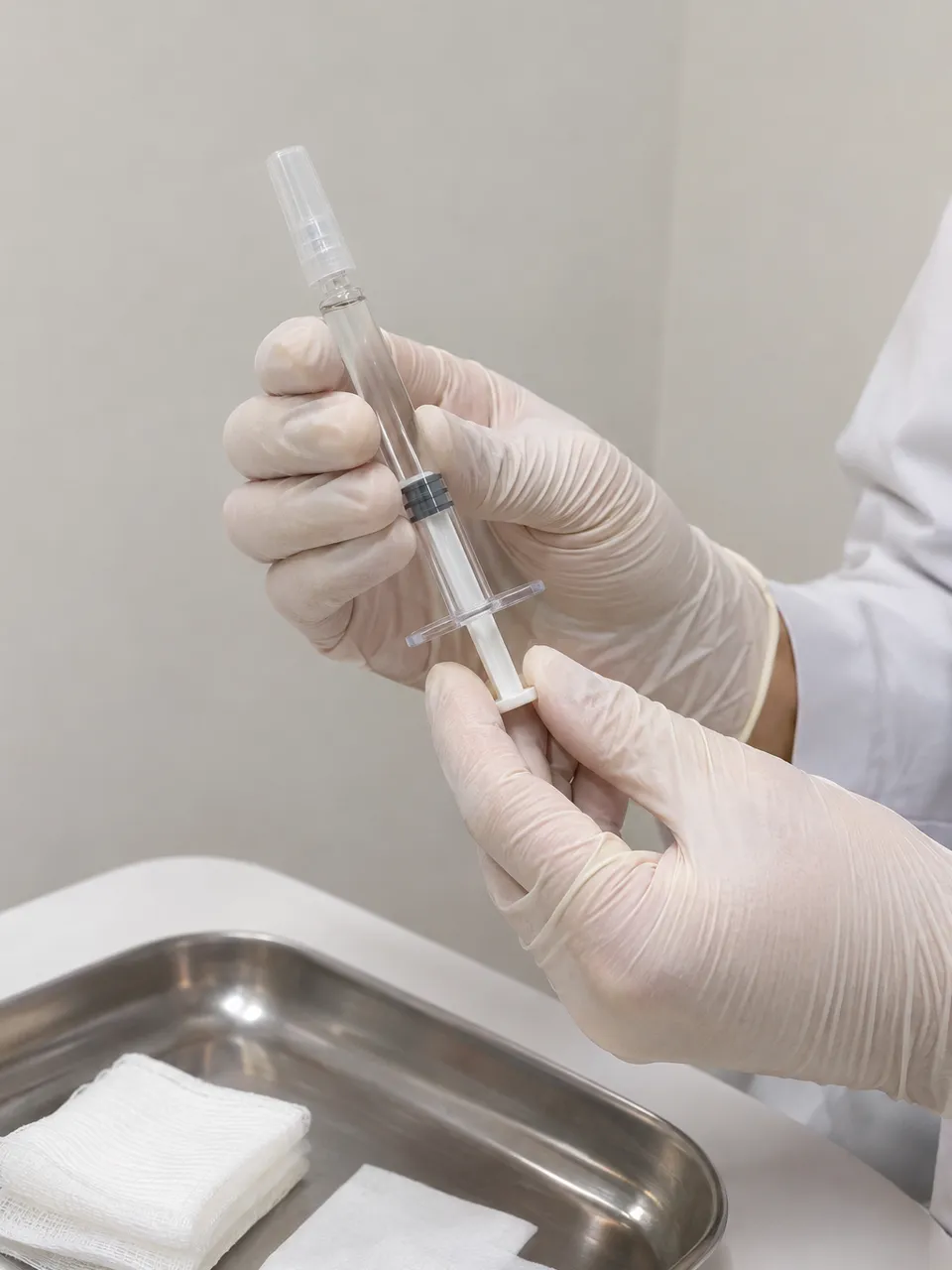
The same agency says most side effects associated with dermal fillers, such as swelling and bruising, occur shortly after injection and many resolve in a few days to weeks. Use that timing when you read the downtime and swelling questions.
Where to read the primary pages
The American Academy of Dermatology publishes a page on needle-free filler risks and a wider page on cosmetic safety. Read the NHS advice about cosmetic procedures as well. NHS 111 Wales also has a page on non-surgical cosmetic procedures.
One directive
Pick your question, read its answer and settle it before you sit in the chair. If the answer leaves a gap, take that gap to the injector as a question.